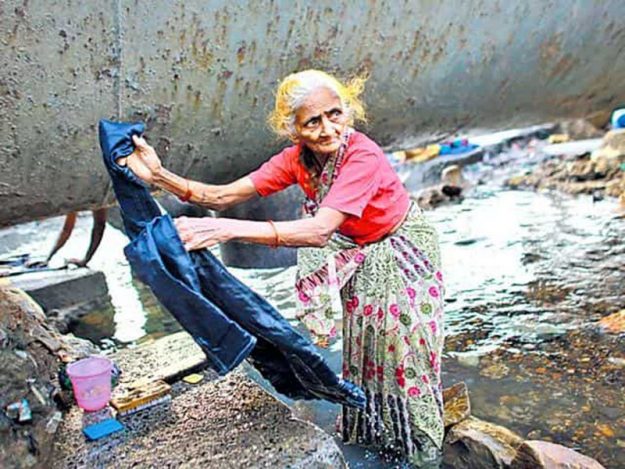
Neglect and abuse: The reality of India’s elderly people
We often assume that our greatest dangers are from strangers on dark streets or from violent men who might break into our houses.

We often assume that our greatest dangers are from strangers on dark streets or from violent men who might break into our houses.
A dominant feature of the first year of Narendra Modi’s leadership is the quiet dismantling of India’s imperfectly realised framework of welfare and rights, covertly, by stealth.
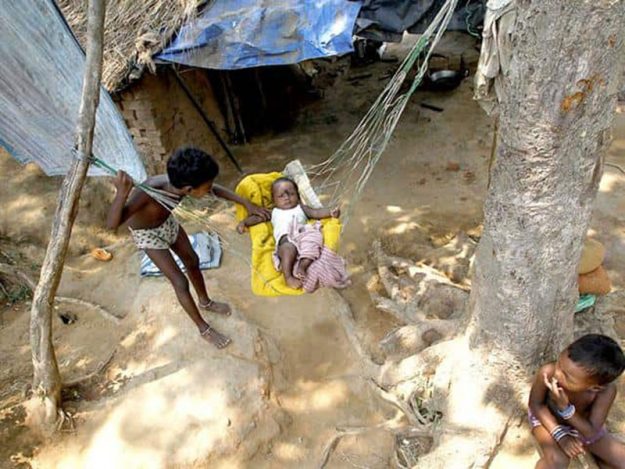
The picture of rural Indian life today that emerges from what is probably the world’s largest study ever of household deprivation is sobering and sombre.
It is troubling that the Centre has displayed a casual disregard for laws and court rulings that create a framework of statutory social rights for protecting the vulnerable.
Two most formidable challenges that will engage the peoples and governments of all countries on the planet during the 21st century will be the ways in which they handle inequality and deal with diversity. Historically, India has culturally sanctioned inequalities of gender, caste and class more than any other ancient civilisation.
School textbooks in recent decades have frequently become battlegrounds for ideological contestation in India. Most textbook wars are to advance majoritarian perspectives on history and culture.
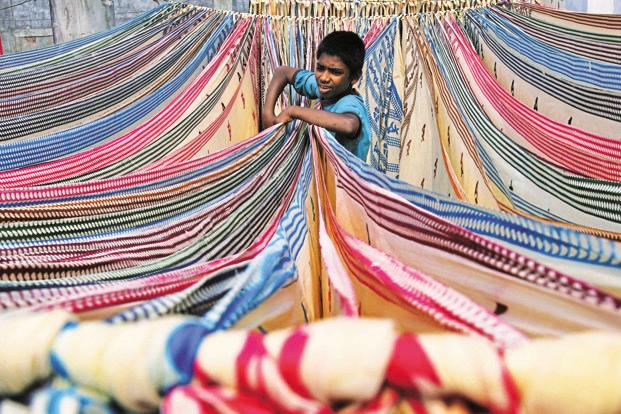
Tamil Nadu is one of India’s most industrialized states. But its hidden face is the employment of several hundred thousand impoverished children and adolescents—mostly girls but also some boys—in its spinning mills.
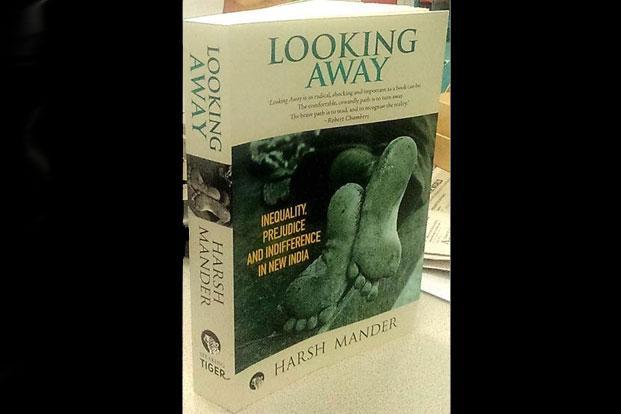
Jay Mazoomdar recounts a telling conversation he had with three young men in Varanasi after the elections. ‘“More than Muslims here, now Pakistan and China will be scared,” one of them said disarmingly.
The country is both riveted and moved by the extraordinary outpouring of public support, solidarity and goodwill by ordinary people for young IAS officer DK Ravi, found hanging from the ceiling fan in his official apartment.

Adult India is suddenly afraid of its children. This fear has resulted in wide support within the Parliament and outside for amendments to the law to treat children between 16 and 18 years like adult criminals when charged with grave crimes.