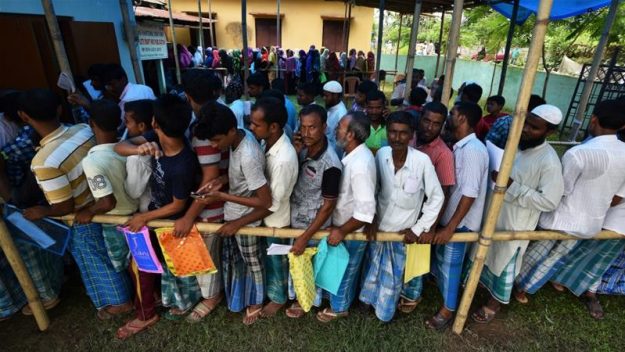
It’s time we listened to the plight of Assam’s ‘foreigners’
People wait in queue to check their names on the draft list at the National Register of Citizens (NRC) centre at a village in Nagaon district, Assam state, India, July 30, 2018.

People wait in queue to check their names on the draft list at the National Register of Citizens (NRC) centre at a village in Nagaon district, Assam state, India, July 30, 2018.

The picturesque districts of coastal Karnataka today seethe with dark and dangerous communal animosities and hate mobilisation. Communal fault-lines erupt from time to time in spurts of bloody communal hate attacks and killings.
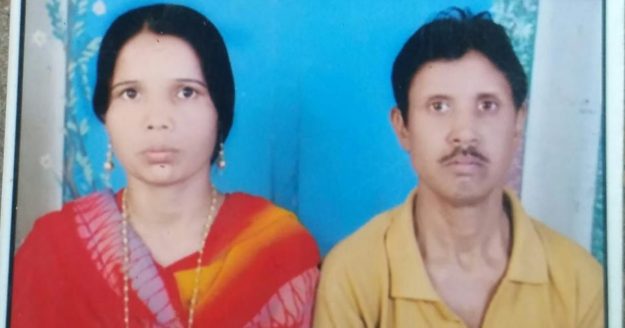
As Madhya Pradesh gets ready to elect its next government on Wednesday, several troubling questions loom before the electorate – the distress of farmers, the macabre piling of bodies of witnesses in the Vyapam corruption scam…

The powerful RSS chief Mohan Bhagwat has called for a nationwide ban on cow slaughter, describing this as a ‘sacred duty’, and adding that in states where the RSS has dedicated swayamsewaks in power, strong laws are already in place.
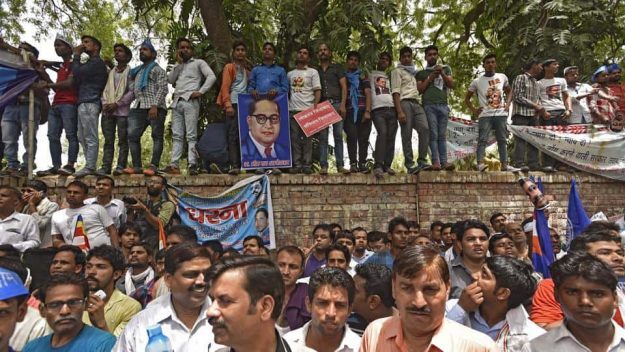
“Is there a problem if we are good-looking?” a young Dalit man, who was thrashed by Rajput men of his village for sporting a moustache, asks a reporter.
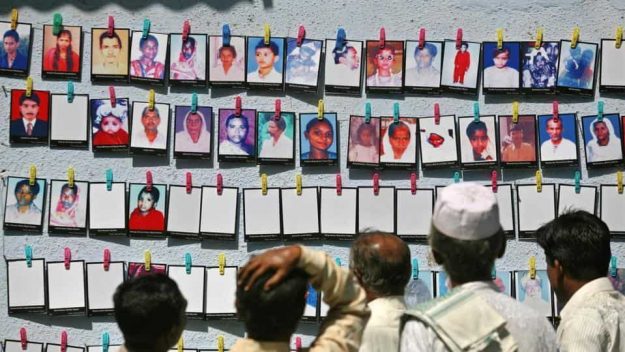
On February 28, 15 years would have passed since a gale of violence engulfed 20 out of the 25 districts of Gujarat. This persisted for several weeks, and in some places for months, as state authorities did little to control it.
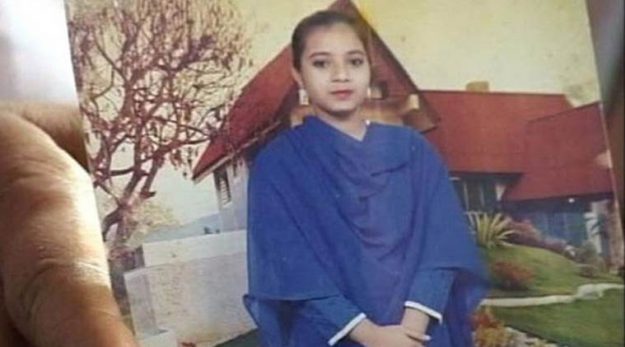
In the early hours of a midsummer morning, at the outskirts of Ahmedabad near the city’s waterworks, on June 15, 2004, the Gujarat police shot dead four occupants of a car. One of those killed was a young 19-year-old woman. Her name was Ishrat Jahan.
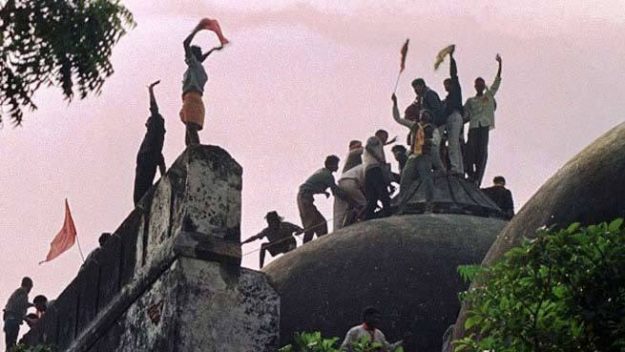
Some events leave a permanent mark on the history of a people. For many in my generation, one such moment of iconic suffering was the felling by a frenzied mob of a medieval mosque on December 6, 1992.
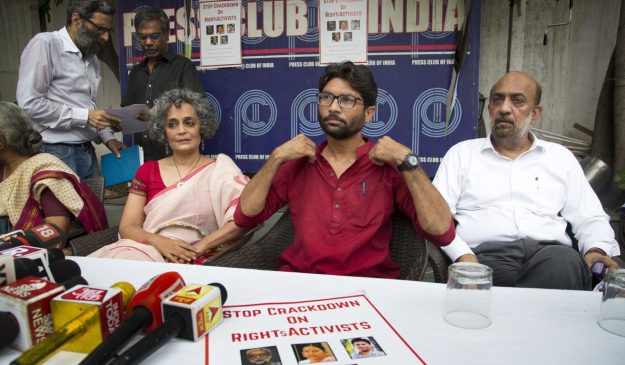
India’s democracy suffered a body blow this week when police raids across six cities resulted in five prominent left-wing human rights defenders being arrested, the homes and offices of many more searched, and their documents, books, mobile phones and laptops seized.
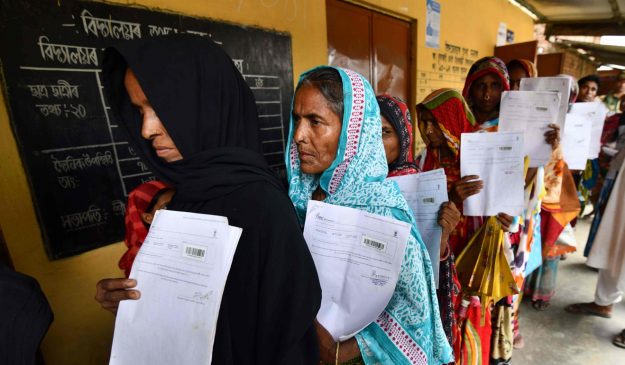
The fate of four million Bengali speaking people in India’s large north-eastern state of Assam today hangs in perilous balance. Their names have been left out of the penultimate draft of the National Citizens Register. This means that if they are unable to prove their Indian citizenship in the last chance they will get for this – with only one month to file their claims…