The invisible drought
India has transformed spectacularly in innumerable ways in the last two decades. One of the least noted changes is in the way the country — governments, the press and people — respond to drought and food scarcities.

India has transformed spectacularly in innumerable ways in the last two decades. One of the least noted changes is in the way the country — governments, the press and people — respond to drought and food scarcities.
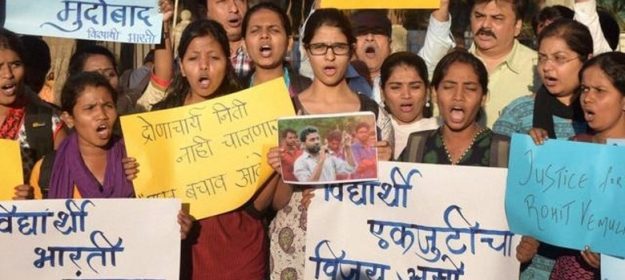
Like millions across the land, I mourn inconsolably the passing of a young man who dreamed of the stars, yet despaired of our world enough to take his young life. After writing a few words of fire, of yearning and pain, in the hostel room of a friend, he quietly hanged himself to death.
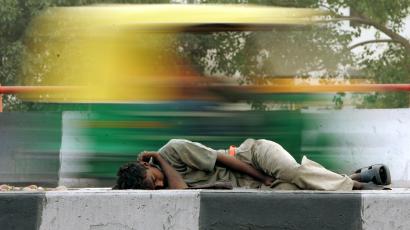
Winter is upon us once more. Pollution, smog, and plunging temperatures transmute sleeping into a formidable daily challenge for the most dispossessed of city residents…
There can be no better encapsulation of the idea of the good state, one which must be founded on the idea of social solidarity, on the continuous mindfulness of its obligation to care for every person, weak and strong. Chomsky goes on to say that we live in times when this is considered a profoundly subversive idea.
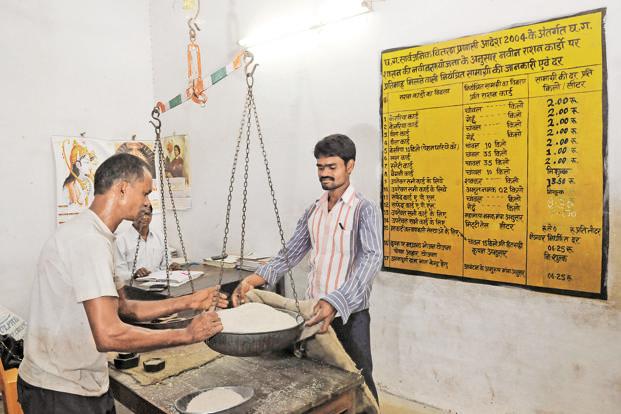
One ‘reform’ in India’s social welfare architecture to which the current government is deeply committed is to substitute subsidised wheat and rice supplied through the public distribution system (PDS) with direct cash transfers into bank accounts of targeted households.
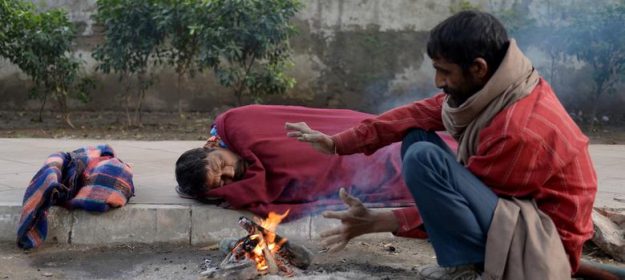
Winter is upon us once more. Pollution, smog and plunging temperatures transmute sleeping into a formidable daily challenge for the most dispossessed of city residents – people without homes.
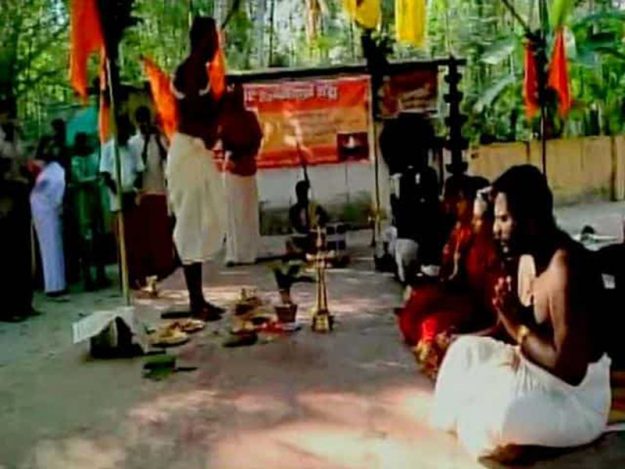
Free India was born in a tumult of religious hatred. This, and the fact that this country is home to followers of almost every major religion, persuaded members of the Constituent Assembly to exercise great care to protect the freedom of religious belief in the Constitution.

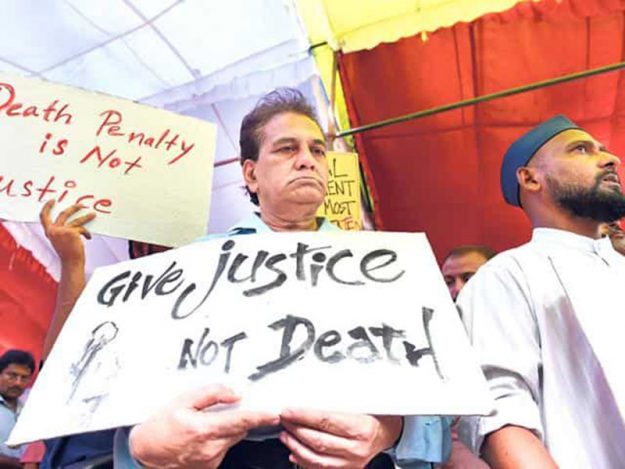
“I died the day my daughter died,” her mother Asha Devi declares, disconsolate and in tears. It is hard for most of us to even imagine her pain and loss. “If I am alive today, it is only in order to secure justice for my daughter. But when the boy who raped her so brutally walks free after just three years, I feel I have failed our daughter.” Her husband Badri Singh agrees.
The fractures around the fault-lines of ‘majority’ and ‘minority’ in India have again threatened to surface after the release of the 2011 religious census results.
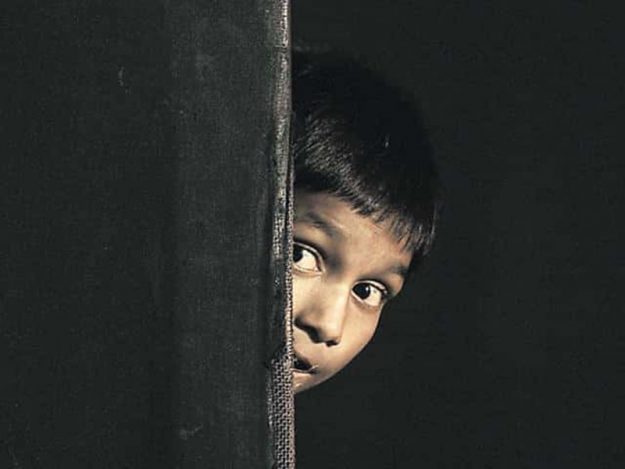
Three merciless rapes of small children within a week in the country’s national capital, followed by the gruesome burning alive of two children in a village in Faridabad, have once again raised, with painful urgency, the question of how we can make the world safer for disadvantaged and defenceless young children.