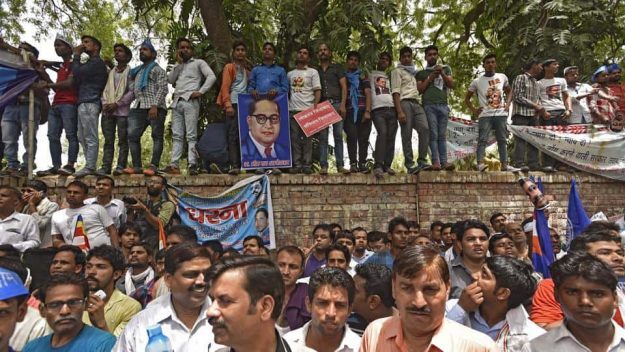
BJP can’t ignore new zeal in Dalit resistance against caste violence
“Is there a problem if we are good-looking?” a young Dalit man, who was thrashed by Rajput men of his village for sporting a moustache, asks a reporter.

“Is there a problem if we are good-looking?” a young Dalit man, who was thrashed by Rajput men of his village for sporting a moustache, asks a reporter.
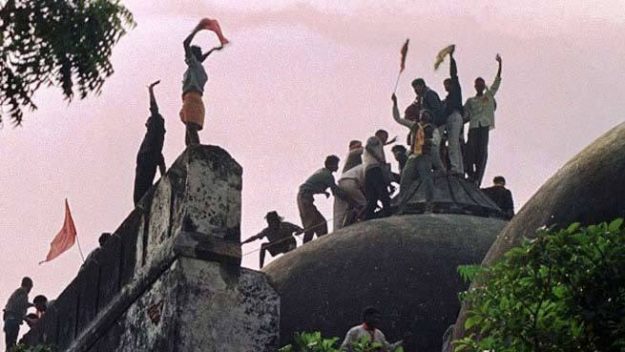
Some events leave a permanent mark on the history of a people. For many in my generation, one such moment of iconic suffering was the felling by a frenzied mob of a medieval mosque on December 6, 1992.
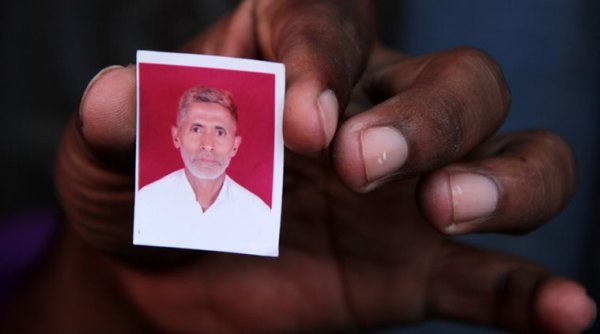
I took Usman Ansari’s one good hand in mine and said that I had come with the message of sharing his pain. I sought his forgiveness, on behalf of all of us.
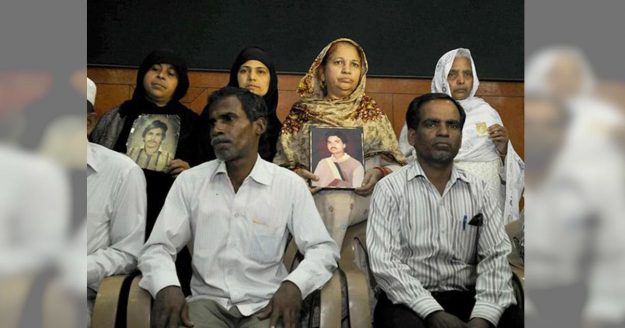
In India, we have accustomed ourselves to erasing from public memory horrendous injustices and moving on. Moving on without healing, without remorse, without even elementary justice. Moving on as though nothing happened.
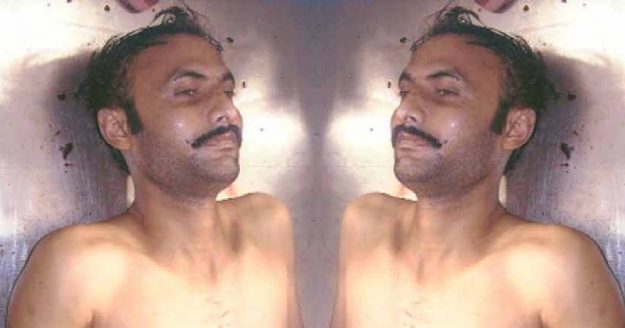
On November 26, 2005, a man in his thirties named Sohrabuddin Sheikh was gunned down by a team of the Gujarat police. The police claimed that Sheikh was an operative of the Lashkar-e-Toiba terrorist organisation and that he was, along with Pakistan’s ISI intelligence agency, planning a high-profile assassination of a senior leader in Gujarat

The latest salvo from the Centre on the shock and awe demonetisation excercise is that the move did not have an adverse impact on India’s buoyant economic growth story. This is contrary to the pessimistic expectations of economists, statisticians and bankers the world over – and not just those from the Left – that the sudden withdrawal of 86% of the currency in circulation before November 8 would cripple the country’s economy.
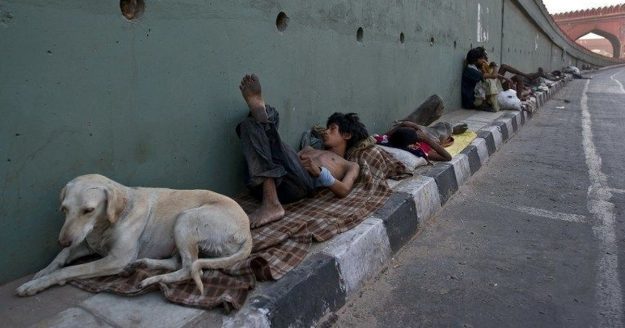
Close to 10 years after a reversing dumper truck ran over and crushed a 35-year-old sleeping on a Mumbai road in November 2007, a motor accident claims tribunal last month held that the victim was equally to blame for the accident. It held that the deceased was also “negligent” as he dangerously chose to sleep on the corner of the road.
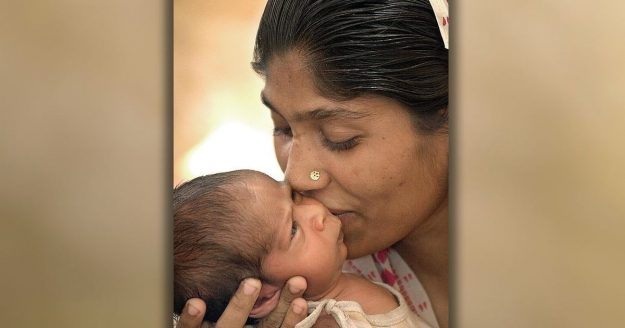
Farzan Biwi, 22, who lost her husband during communal violence 2 months ago and since living in a relief camp, kisses her 15 days old baby in Ahmedabad, 16 May 2002. Farzan’s baby is among the 45 babies born in this camp since its opening following the sectarial violence in which nearly 1,000 people, mostly Muslims, have died.
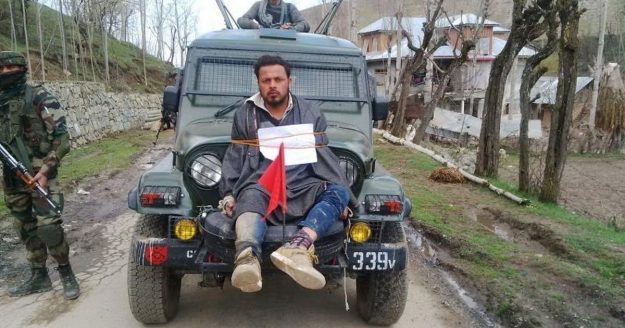
It is impossible to comprehend the policy of New Delhi to Kashmir without recognising that for people on both sides of the ideological divide in India, Kashmir has a supreme symbolic importance well beyond just the land and its people.
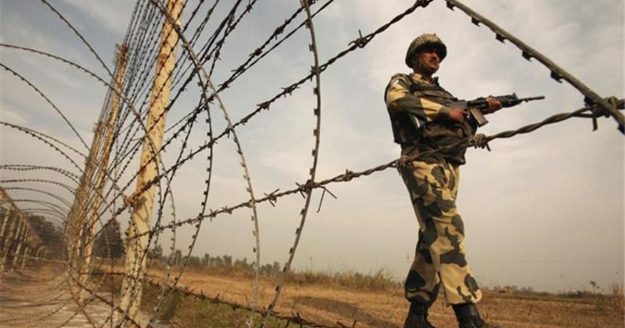
In what is paraded as nationalism – indeed, the only true nationalism – in the bitterly divided times we inhabit, one trademark, one essential badge of patriotism is reverence for the soldier.