Modi government: one year of dismantling the welfare state
A dominant feature of the first year of Narendra Modi’s leadership is the quiet dismantling of India’s imperfectly realised framework of welfare and rights, covertly, by stealth.

A dominant feature of the first year of Narendra Modi’s leadership is the quiet dismantling of India’s imperfectly realised framework of welfare and rights, covertly, by stealth.
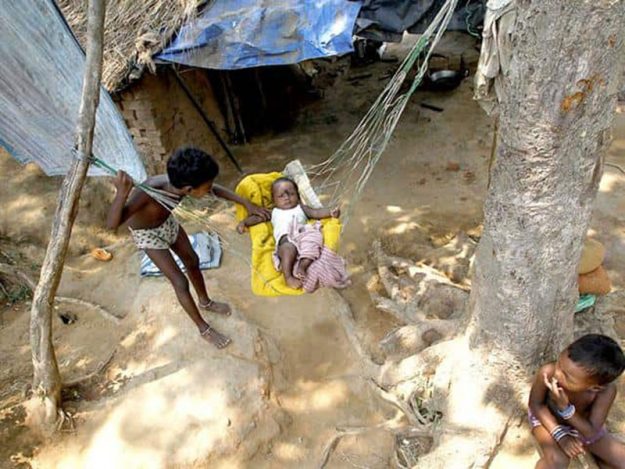
The picture of rural Indian life today that emerges from what is probably the world’s largest study ever of household deprivation is sobering and sombre.

It is troubling that the Centre has displayed a casual disregard for laws and court rulings that create a framework of statutory social rights for protecting the vulnerable.
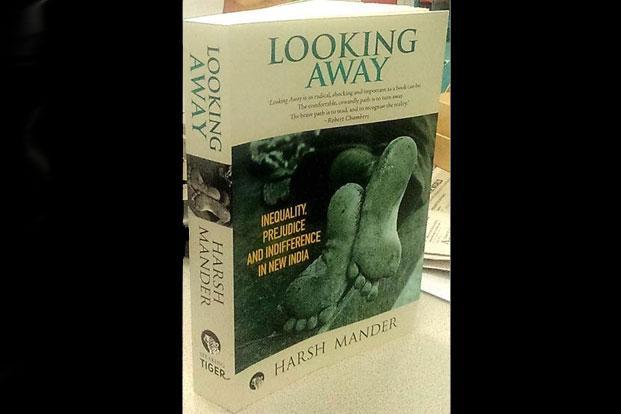
Two most formidable challenges that will engage the peoples and governments of all countries on the planet during the 21st century will be the ways in which they handle inequality and deal with diversity. Historically, India has culturally sanctioned inequalities of gender, caste and class more than any other ancient civilisation.
School textbooks in recent decades have frequently become battlegrounds for ideological contestation in India. Most textbook wars are to advance majoritarian perspectives on history and culture.

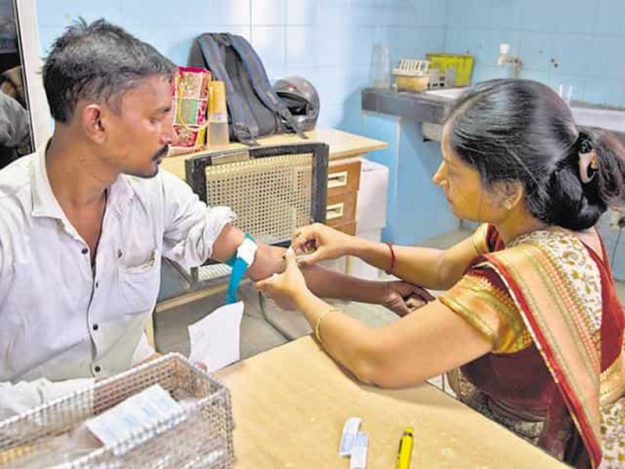
Tamil Nadu is one of India’s most industrialized states. But its hidden face is the employment of several hundred thousand impoverished children and adolescents—mostly girls but also some boys—in its spinning mills.
Jay Mazoomdar recounts a telling conversation he had with three young men in Varanasi after the elections. ‘“More than Muslims here, now Pakistan and China will be scared,” one of them said disarmingly.
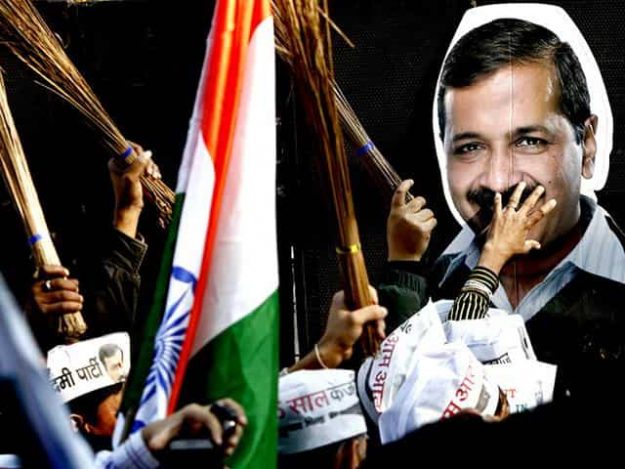
An audacious sense of hope is surging through the soft spring sunshine in Delhi, following the unprecedented victory of AAP in the recent polls. That people of every class, caste, religious community, age-group and gender joined hands to place their futures in the hands of a fledgling and still mostly untested political formation, represents a resounding endorsement of a new style of politics, as much as a longing for a new kind of governance.

With the 1983 Nellie massacre, India entered a new chapter of mass communal violence: of large-scale slaughters of religious minorities with gravely culpable state support.

Stung by charges that the government led by Prime Minister Narendra Modi works only to advance the interests of big business, it responded with the launch of three major social security schemes for the millions who are excluded from social protection as sterling evidence of its pro-poor credentials.