Skip to content
Harsh ManderHarsh Mander
Harsh Mander
TwitterGoogle+
  • Home
  • About
  • Work
    • Aman Biradari Trust
    • Centre for Equity Studies
    • Karwan e Mohabbat
    • India Exclusion Report
  • Publication
    • Books
    • Columns
  • Talks
  • Discussions
    • Webinars
  • Judicial Interventions
  • Interviews
    • News Interviews
    • Podcasts
    • Transcripted Interviews
 
  • Home
  • About
  • Work
    • Aman Biradari Trust
    • Centre for Equity Studies
    • Karwan e Mohabbat
    • India Exclusion Report
  • Publication
    • Books
    • Columns
  • Talks
  • Discussions
    • Webinars
  • Judicial Interventions
  • Interviews
    • News Interviews
    • Podcasts
    • Transcripted Interviews

Yearly Archives: 2015

You are here:
  1. Home
  2. 2015
  3. (Page 3)

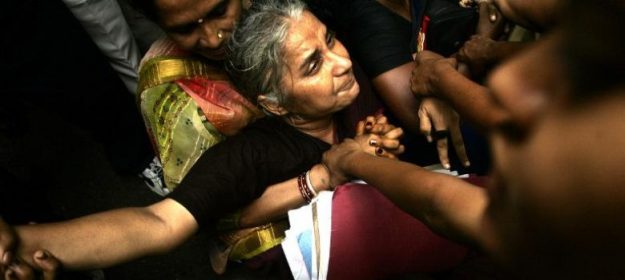
Stifling dissent: CBI’s targeting of Teesta Setalvad has put Indian democracy itself on trial

Scroll 2015By harsh_userSeptember 10, 2015Leave a comment

With the 1983 Nellie massacre, India entered a new chapter of mass communal violence: of large-scale slaughters of religious minorities with gravely culpable state support.
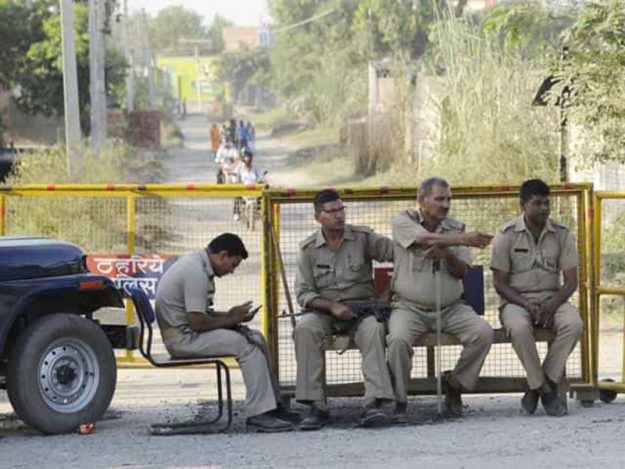
Dadri lynching has raised troubling questions on India’s ‘secularity’

Hindustan Times 2015By harsh_userSeptember 5, 2015Leave a comment

The hate-lynching of a Muslim man in a Uttar Pradesh village by his unrepentant neighbours for allegedly eating beef raises once again troubling questions.

The lesson from Sanjiv Bhatt’s dismissal: there’s nobody to protect whistle-blowing civil servants

Scroll 2015By harsh_userAugust 11, 2015Leave a comment

In yet another display of vendetta against prominent critics of the prime minister, Gujarat IPS officer Sanjiv Bhatt was served with orders of dismissal from service on August 13, 2015. This is the highest administrative punishment that an officer can face, provided in the rule book for only the most serious transgressions.

Modi’s social security schemes are an eyewash – the poor will be the last to benefit from them

Scroll 2015By harsh_userJune 22, 2015Leave a comment

Stung by charges that the government led by Prime Minister Narendra Modi works only to advance the interests of big business, it responded with the launch of three major social security schemes for the millions who are excluded from social protection as sterling evidence of its pro-poor credentials.

One year on, Modi has battered many constitutional principles – but the biggest victim is fraternity

Scroll 2015By harsh_userMay 26, 2015Leave a comment

The centrality of fraternity in nurturing and sustaining democracy is one of Babasaheb Ambedkar’s many profound insights. The word used in the Constitution in Hindi is bandhuta, which vividly evokes ideas of comradeship and mutual belonging.

Why the children of the poor must not be allowed to work in family enterprises

Scroll 2015By harsh_userMay 15, 2015Leave a comment

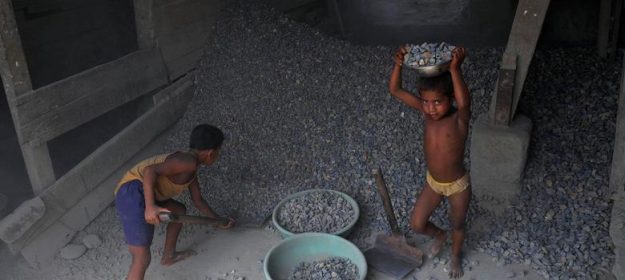
The shocking decision of the Union Cabinet to legalise child work after school hours in family enterprises must compel us to turn an unflinching spotlight on one of our gravest, and collectively forgotten, cruelties: the theft of the childhood…

India’s Poverty is Social Violence

NDTV 2015By harsh_userApril 21, 2015Leave a comment

There are many exiles faced by India’s poor. They are exiled from the consciences of the people of privilege and wealth. They are exiled from our cinema, television and newspapers.

Underage children as domestic workers: Middle-class India’s greatest shame?

Scroll 2015By harsh_userApril 16, 2015Leave a comment

In her extraordinary novel The Help, Katherine Stockett writes about the lives of black women domestic workers in a small town in Mississippi in 1962. At the time in which the novel is set, the civil rights movement was yet to alter the unequal social relations between races in this small, conservative settlement.

By dismissing activists as anti-national, India is advancing interests of Big Business

Scroll 2015By harsh_userApril 13, 2015Leave a comment

The Indian political establishment is openly antagonistic towards international engagement with domestic human rights and justice battles. While foreign capital is welcome, foreign support for justice issues in India is often viewed from a hyper-nationalistic len

Harsh Mander on His Stance on the Riots of 2002 And the Hostility That Followed

The Caravan 2015By harsh_userApril 13, 2015Leave a comment

In 2002, Harsh Mander, a former officer with the Indian Administrative Service (IAS) who had served as a district collector in six tribal districts across the country, visited Gujarat in the aftermath of the Godhra riots.

1234