
Through a caravan, darkly
The harrowing journey of our caravan of love laid bare a country both divided and devoid of compassion. People are compelled to live with fear and hate, and a hostile state, as normalised elements of everyday living.

The harrowing journey of our caravan of love laid bare a country both divided and devoid of compassion. People are compelled to live with fear and hate, and a hostile state, as normalised elements of everyday living.

I worry that, if allowed to go unchecked, lynching could become a national epidemic. More and more people feel emboldened to join or incite mobs. There is an enabling climate for hate speech and violence that is fostered by a majoritarian social climate.

On September 11, Karwan e Mohabbat regrouped in Tilak Vihar, Delhi, where widows of the 1984 Sikh massacre were settled more than three decades ago, and set off to its next destination. We reached Kandla in Uttar Pradesh’s Shamli district past midnight.
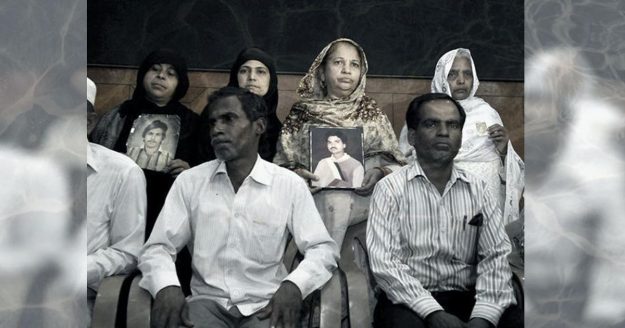
Uzma was born on the terrifying night when her father was shot dead on the banks of a canal by paramilitary soldiers, about 50-odd km from Delhi. This was in the summer of 1987.
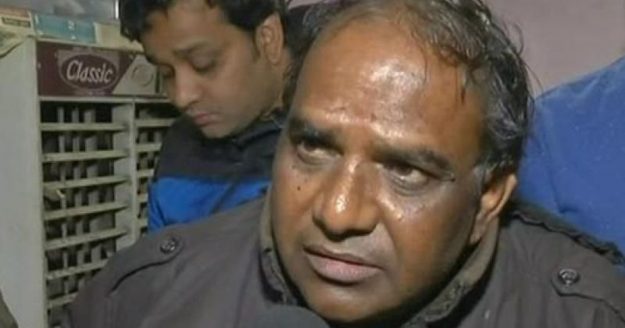
By affirming that he bore Muslims no ill will, Yashpal Saxena, whose only son Ankit Saxena was murdered by the family of the Muslim girl he loved, demolished one of the most widely used rationalisations for communal hatred.
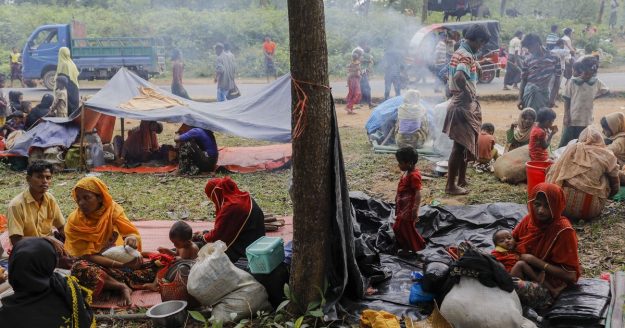
On October 4, the Indian government deported seven Rohingya men to Myanmar. Hours before they crossed over, their return was validated by India’s Supreme Court.
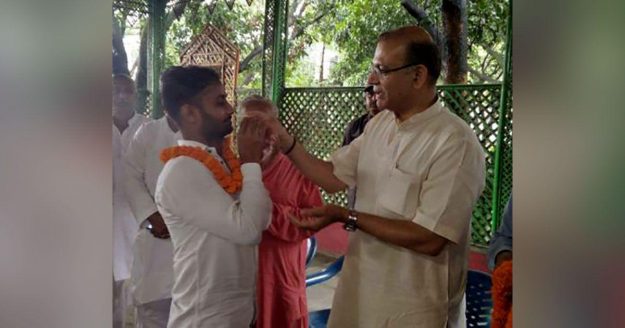
It was raining outside the Jai Prakash Narain Central Jail in Ranchi on Friday. Seven members of a lynch mob walked out of the gates; one had been released a day earlier.
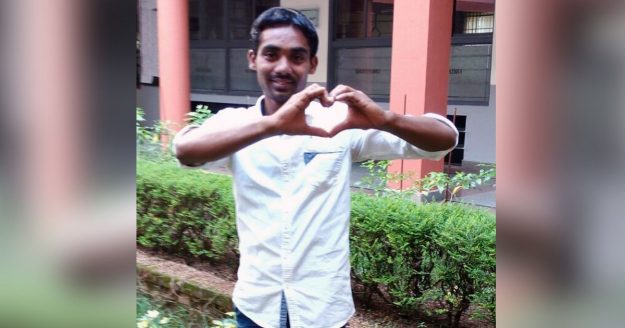
Coastal Karnataka has been a laboratory for hate-mongering and communal violence for over a decade. Once celebrated for its communal amity, the region now constantly verges on the edge of hate violence.

Karwan e Mohabbat is a tiny lamp lit in a tempest of hate. A small but audacious effort to offer a garland of empathy across many parts of our troubled land. Individuals, organisations and social movements are collaborating in this journey of atonement, solidarity, healing, conscience and justice with people living with hate violence.

From Assam, the Karwan e Mohabbat proceeded to Jharkhand, an impoverished forested region with a large tribal population bitterly divided along communal lines. The state has witnessed a rash of lynching attacks in recent years.