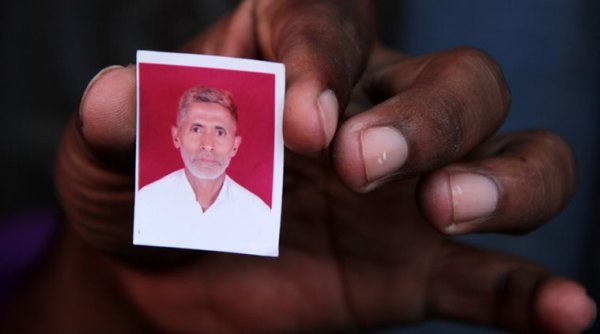
Usman Ansari, like Mohammad Akhlaq
I took Usman Ansari’s one good hand in mine and said that I had come with the message of sharing his pain. I sought his forgiveness, on behalf of all of us.

I took Usman Ansari’s one good hand in mine and said that I had come with the message of sharing his pain. I sought his forgiveness, on behalf of all of us.
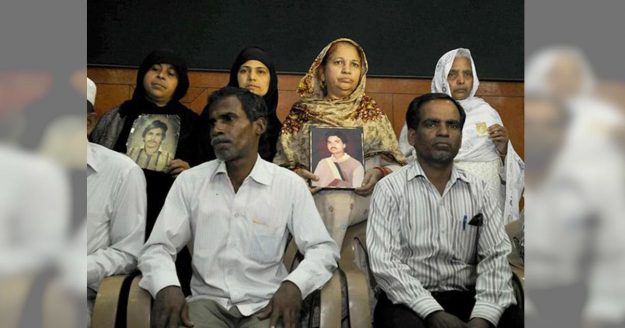
In India, we have accustomed ourselves to erasing from public memory horrendous injustices and moving on. Moving on without healing, without remorse, without even elementary justice. Moving on as though nothing happened.
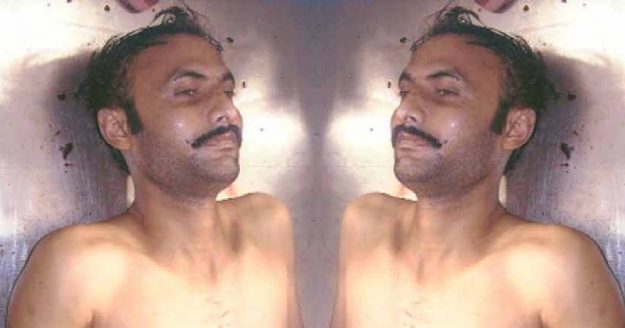
On November 26, 2005, a man in his thirties named Sohrabuddin Sheikh was gunned down by a team of the Gujarat police. The police claimed that Sheikh was an operative of the Lashkar-e-Toiba terrorist organisation and that he was, along with Pakistan’s ISI intelligence agency, planning a high-profile assassination of a senior leader in Gujarat
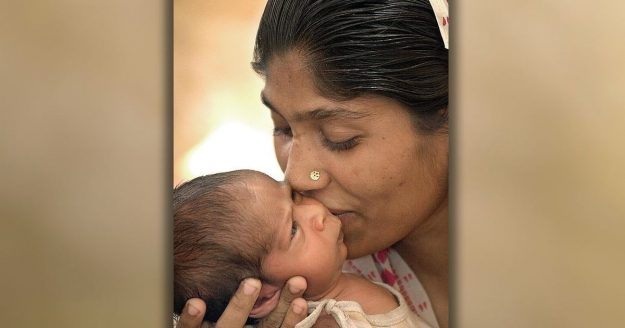
Farzan Biwi, 22, who lost her husband during communal violence 2 months ago and since living in a relief camp, kisses her 15 days old baby in Ahmedabad, 16 May 2002. Farzan’s baby is among the 45 babies born in this camp since its opening following the sectarial violence in which nearly 1,000 people, mostly Muslims, have died.
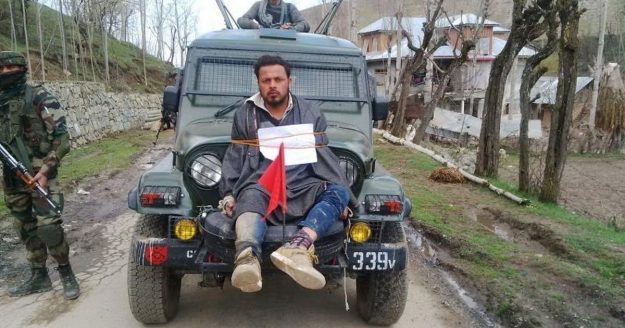
It is impossible to comprehend the policy of New Delhi to Kashmir without recognising that for people on both sides of the ideological divide in India, Kashmir has a supreme symbolic importance well beyond just the land and its people.
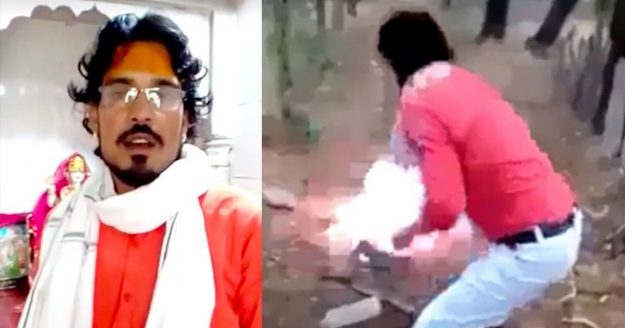
A broken slab of marble, soiled surgical gloves cast off by police investigators, and sniffing dogs mark the spot in Rajgarh, in Rajsamund district of Rajasthan, where Shambhulal Regar hacked, attempted to decapitate and then set fire to Afrazul Khan, a resident of Malda district in West Bengal, on December 6.

On September 11, Karwan e Mohabbat regrouped in Tilak Vihar, Delhi, where widows of the 1984 Sikh massacre were settled more than three decades ago, and set off to its next destination. We reached Kandla in Uttar Pradesh’s Shamli district past midnight.
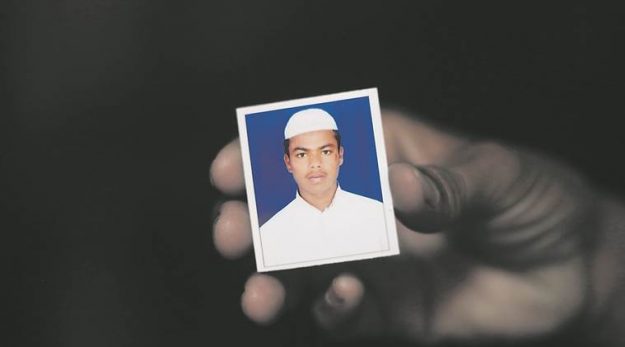
I did not know him when he lived. But in his death, in the way he died, I mourn him like a son.
His dreams were unfamiliar to my agnostic world.
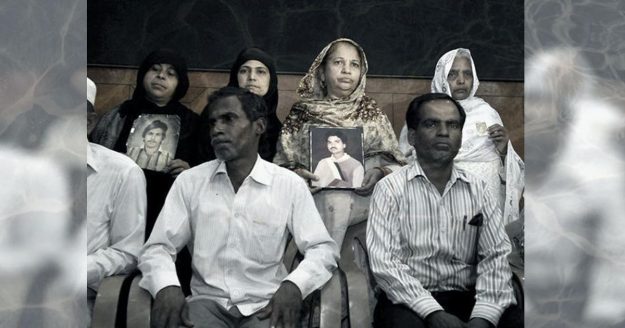
Uzma was born on the terrifying night when her father was shot dead on the banks of a canal by paramilitary soldiers, about 50-odd km from Delhi. This was in the summer of 1987.
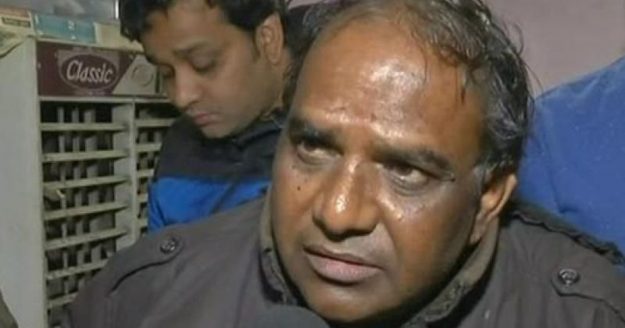
By affirming that he bore Muslims no ill will, Yashpal Saxena, whose only son Ankit Saxena was murdered by the family of the Muslim girl he loved, demolished one of the most widely used rationalisations for communal hatred.