
Through a caravan, darkly
The harrowing journey of our caravan of love laid bare a country both divided and devoid of compassion. People are compelled to live with fear and hate, and a hostile state, as normalised elements of everyday living.

The harrowing journey of our caravan of love laid bare a country both divided and devoid of compassion. People are compelled to live with fear and hate, and a hostile state, as normalised elements of everyday living.

Karwan e Mohabbat is a tiny lamp lit in a tempest of hate. A small but audacious effort to offer a garland of empathy across many parts of our troubled land. Individuals, organisations and social movements are collaborating in this journey of atonement, solidarity, healing, conscience and justice with people living with hate violence.

A darkness is rising in India. Mobs are violently acting out visceral hatred, targeting people because of their faith and caste. These assaults are characterised by bystanders who actively support the killing, or do nothing to stop it.
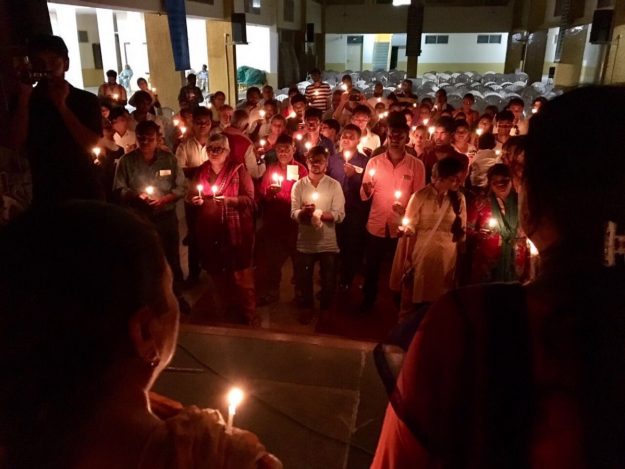
The Karwan-e-Mohabbat – a caravan of love – set out from Nagaon in Assam on September 4, 2017, and concluded its travels on October 2, 2017, in Porbandar, a small coastal town in Gujarat where 148 years ago Mohandas Gandhi was born.
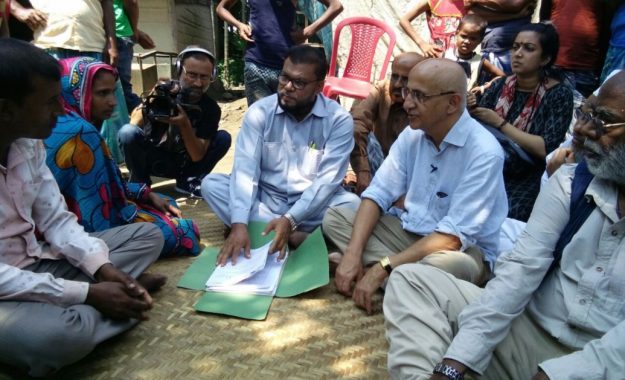
On a bumpy bus journey from Giridih to Ramgarh in Jharkhand, trying to type my short update for today. My heart very weighed down in a day with many reminders of why this Karwan was important to attempt.
Every communal massacre in India is marked by the stain of impunity. Imp unity means the assurance that those who plan and execute the slaughter and rape of innocents, and the loot and arson of their homes will ultimately escape all punishment.
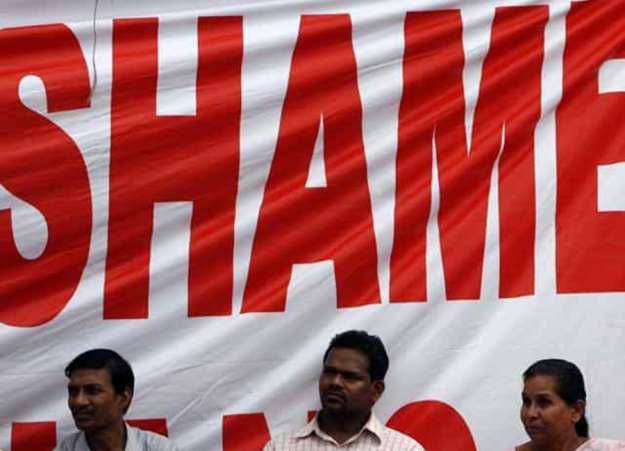
It is eight years since communal violence swept the second poorest, deeply-forested district of Odisha, Kandhamal. We must not allow the erasure of this hate violence from public memory, because the suffering and displacement of the tribal and Dalit Christians targeted by the communal violence are unabated even today, and justice is systematically denied.
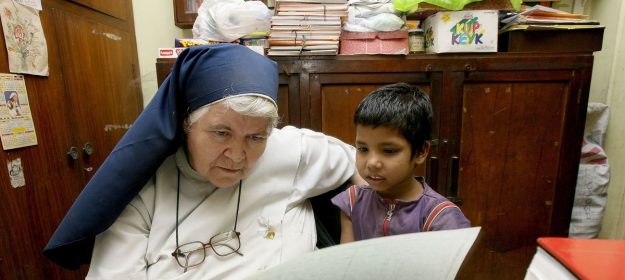
India’s classrooms today mirror, produce and reproduce the disgraceful inequalities that scar the country. It is here that the children of the rich receive the best education that money can buy. They rarely if ever rub shoulders with the children of the poor, of working-class parents, and of socially ostracised castes and discriminated religions.
Free India was born in a tumult of religious hatred. This, and the fact that this country is home to followers of almost every major religion, persuaded members of the Constituent Assembly to exercise great care to protect the freedom of religious belief in the Constitution.
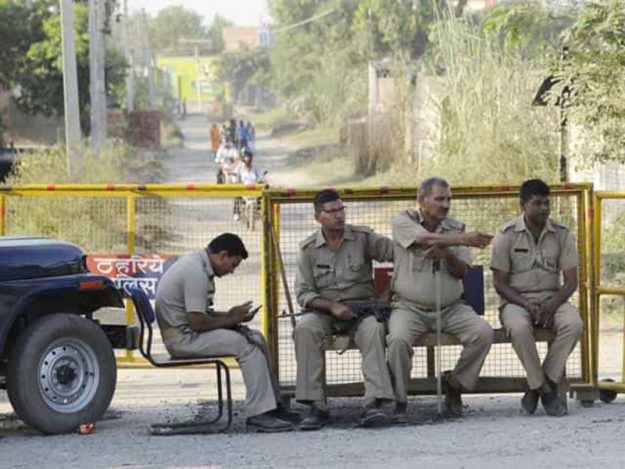
The hate-lynching of a Muslim man in a Uttar Pradesh village by his unrepentant neighbours for allegedly eating beef raises once again troubling questions.