Roles that are cast in stone
In urban India some imagine that caste demarcations have become history. We need to only check the caste identity of those employed to clean the toilets in our offices and homes to recognise how wrong they are.

In urban India some imagine that caste demarcations have become history. We need to only check the caste identity of those employed to clean the toilets in our offices and homes to recognise how wrong they are.

The harrowing journey of our caravan of love laid bare a country both divided and devoid of compassion. People are compelled to live with fear and hate, and a hostile state, as normalised elements of everyday living.
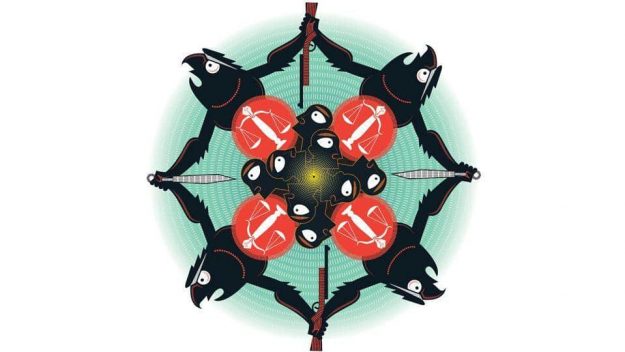
I worry that, if allowed to go unchecked, lynching could become a national epidemic. More and more people feel emboldened to join or incite mobs. There is an enabling climate for hate speech and violence that is fostered by a majoritarian social climate.
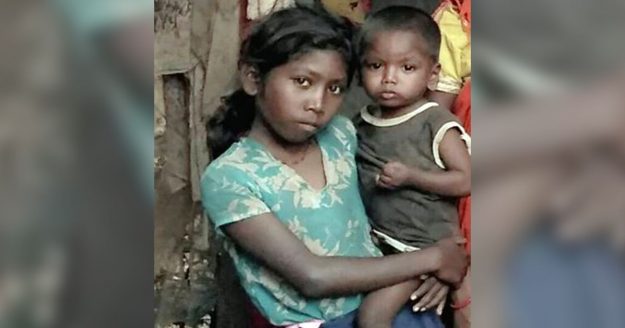
In October, Koili Devi lost her young daughter to creeping hunger. Life gave her no chance to grieve – this was only the beginning of her long nightmare. The state administration, even at its highest levels, stigmatised her for bringing shame to her village and the nation with her claim that her daughter had died of starvation.

On September 11, Karwan e Mohabbat regrouped in Tilak Vihar, Delhi, where widows of the 1984 Sikh massacre were settled more than three decades ago, and set off to its next destination. We reached Kandla in Uttar Pradesh’s Shamli district past midnight.
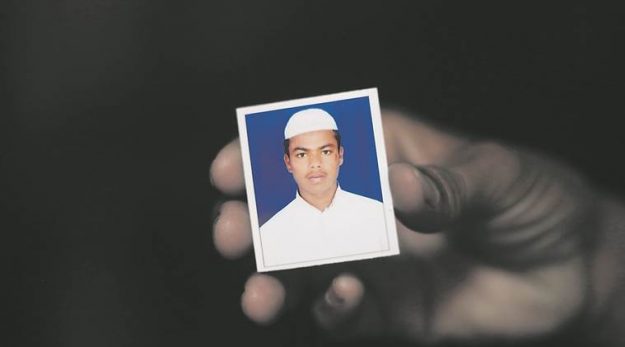
I did not know him when he lived. But in his death, in the way he died, I mourn him like a son.
His dreams were unfamiliar to my agnostic world.
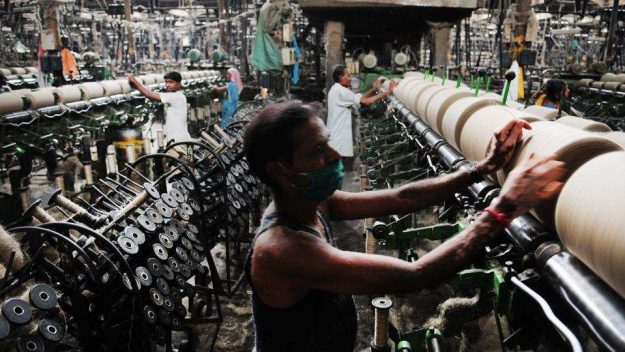
Employment in the formal sector has fallen since 1997. More and more people are being pushed into either lowest-end self-employment; or the most unprotected and casualised wage employment.

If you are the kind of person whose soul stirs and blood quickens if you hear even stray wafts of old Hindi film music somewhere around you, then this is the book for you.
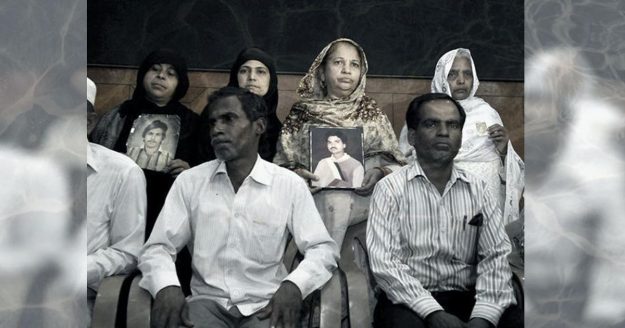
Uzma was born on the terrifying night when her father was shot dead on the banks of a canal by paramilitary soldiers, about 50-odd km from Delhi. This was in the summer of 1987.
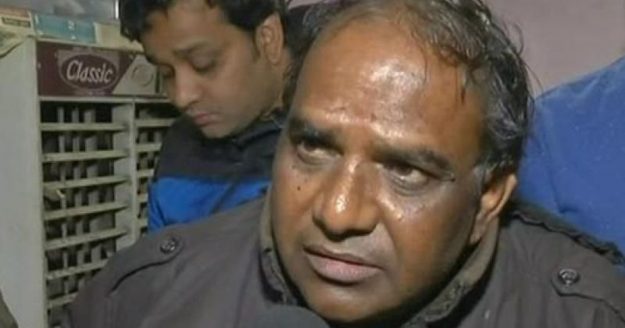
By affirming that he bore Muslims no ill will, Yashpal Saxena, whose only son Ankit Saxena was murdered by the family of the Muslim girl he loved, demolished one of the most widely used rationalisations for communal hatred.